Bombay Memorial (2005-2019)
The idea of a city is deeply personal. For some, it resides in a landmark building, a historic monument or a familiar neighbourhood. For others, it reveals itself through quieter encounters—a shopfront visited for years, a deserted lane, a view from a window, or the familiar faces of strangers glimpsed in passing. These places, these ordinary encounters rarely enter official histories, yet they often shape our deepest sense of belonging. These places, people, and everyday rituals gradually become woven into our lives, shaping our understanding of where we belong. Even when they fall outside our daily routines, the knowledge that they continue to exist offers a quiet reassurance. As cities change, those ordinary anchors are often the first to disappear, leaving behind an absence that is difficult to name.
Bombay Memorial is a photographic monograph that grew from nearly two decades of a sustained practice of walking and observing. Returning to the same streets again and again became less about making photographs than about understanding how places slowly reveal themselves through familiarity, repetition, and time. Drawing from childhood memories, family histories, and personal experience, the work reflects an enduring engagement with Bombay and the gradual transformation of its physical and social landscape.
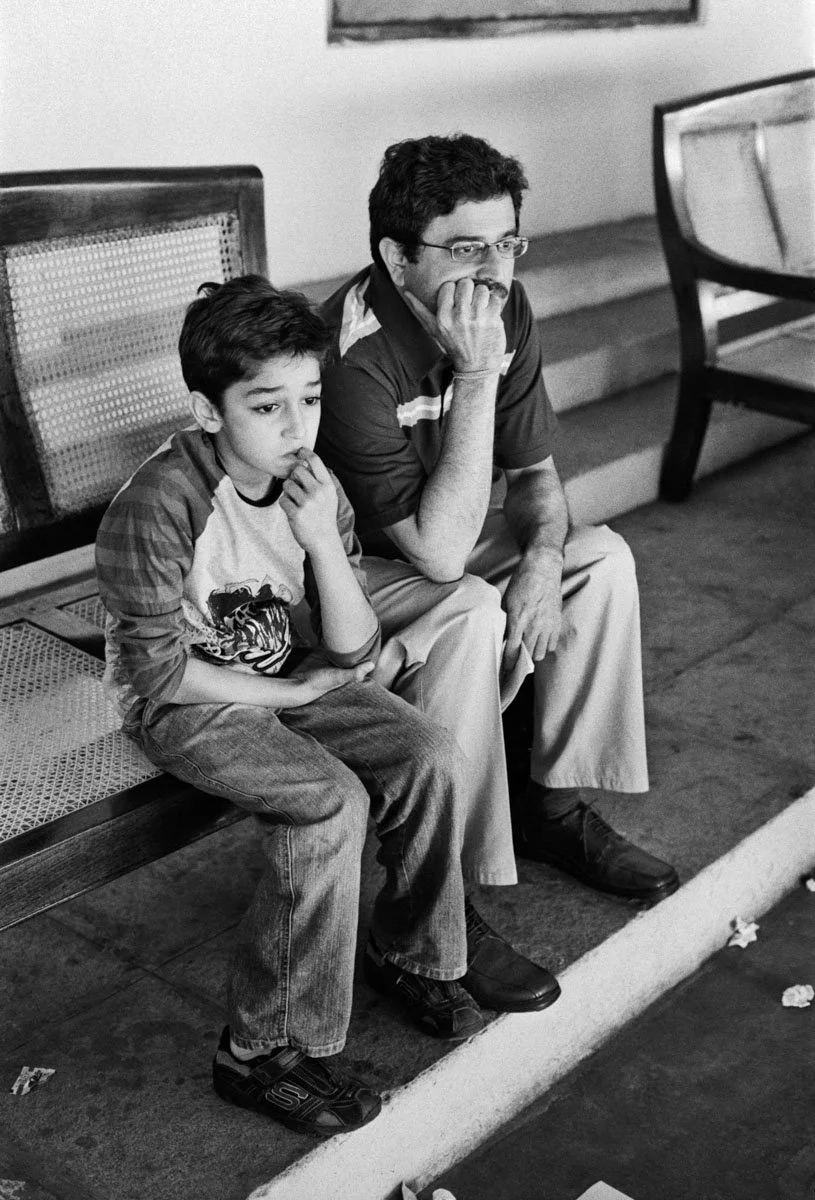
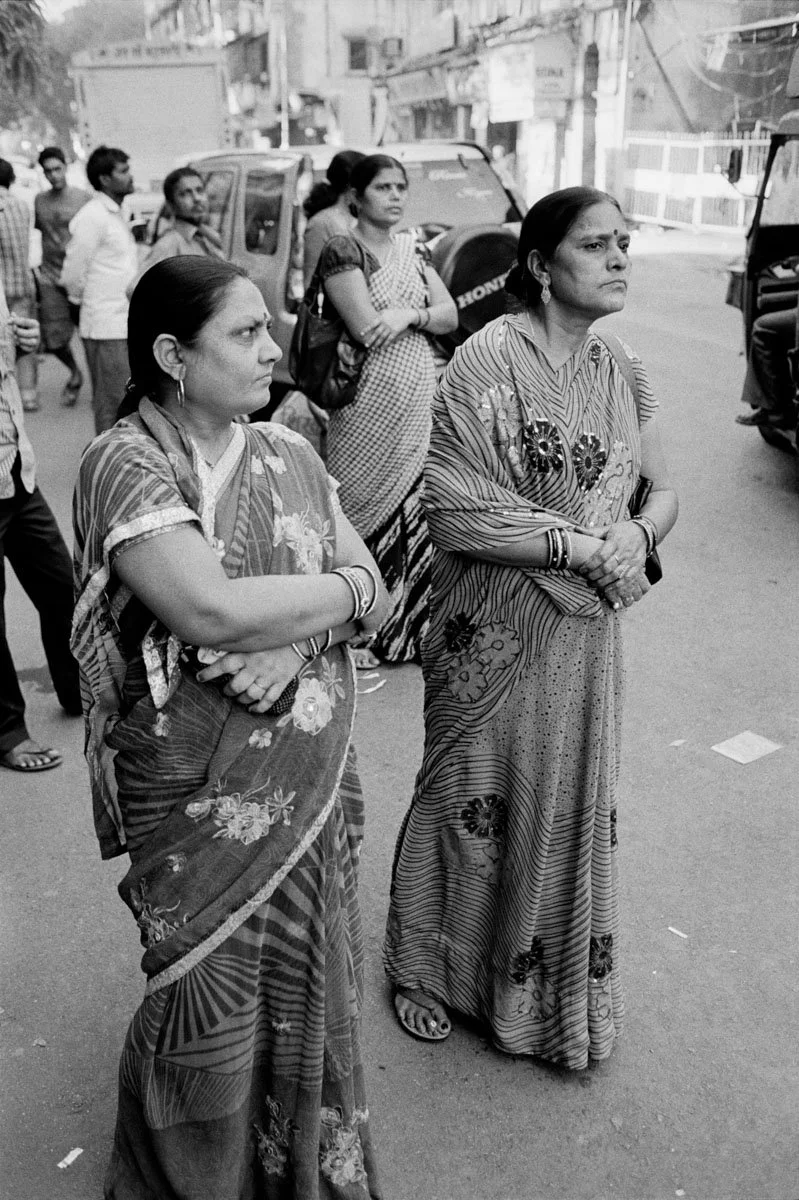
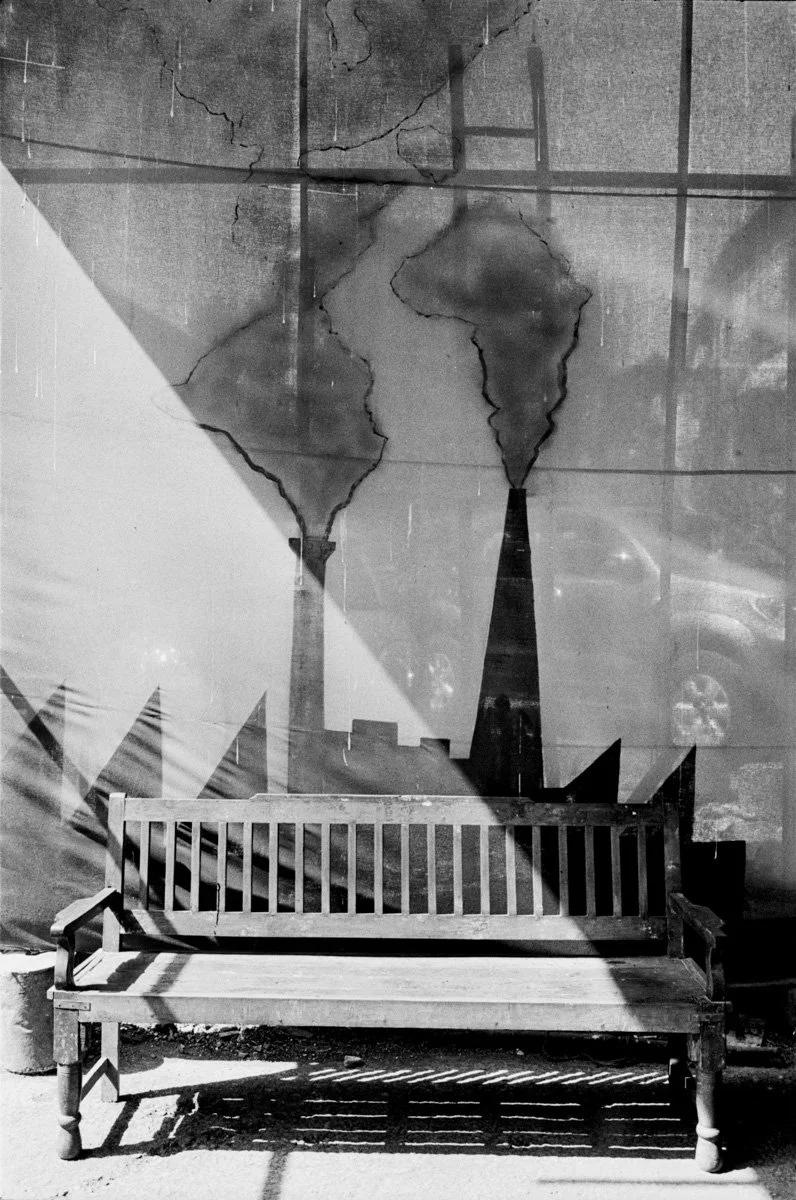
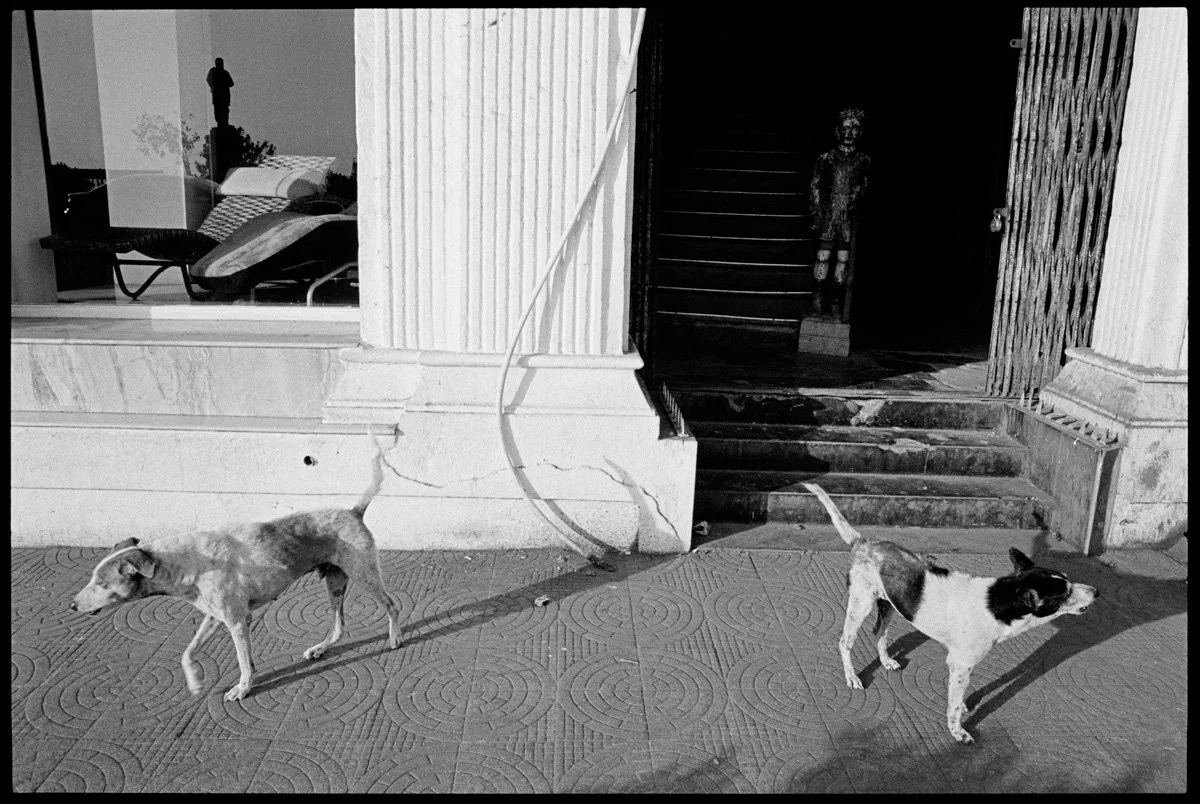
Rather than seeking spectacle, the photographs linger with the ordinary: faces, gestures, fleeting encounters, fragments of architecture, and overlooked structures that exist on the margins of attention, often on the verge of disappearance. The images function as quiet acts of preservation, foregrounding emotional proximity and the social textures of urban life, through which a Bombay shaped by everyday existence rather than monumental history emerges.
Bombay Memorial reflects on time, impermanence, and belonging. The project positions memory not as nostalgia or record alone, but an alternative reality—one that resists disappearance. The photographs do not claim to define the city; instead, they form a personal archive, inviting viewers to reflect on memory, loss, and the fragile persistence of place.